

custom tinted glass
Understanding the 4% Foot Level with a Ruler A Practical Approach to Measurement In today’s fast-paced world, understanding measurement is essential in various fields, whether in construction, science, or daily life. One interesting aspect of measurement that often gets overlooked is the concept of the 4% foot level, especially when it involves the use of basic tools like a ruler. This article explores the significance of the 4% foot level, how to accurately measure it, and its practical applications. What is the 4% Foot Level? Before diving into the measurement process, it is crucial to define what is meant by the 4% foot level. This term generally refers to a specific height or angle that is 4% of an elevation typically measured in feet. In many cases, especially in construction and landscaping, the 4% incline is used as a standard for drainage purposes, ensuring that water flows correctly away from structures, preventing flooding or water accumulation. To break it down further, a 4% grade means that for every 100 horizontal units, there is a vertical rise of 4 units. In the context of a 1-foot rise, a 4% incline would effectively mean that for every 25 feet horizontally, the elevation would increase by 1 foot. This simple ratio is essential for creating safe, effective slopes in various settings. Using a Ruler to Measure the 4% Foot Level To measure a 4% grade accurately using a ruler, follow these steps 1. Set Up Your Tool Begin with a standard ruler or measuring tape. A flexible measuring tape may offer advantages in larger areas, while a solid ruler can be excellent for shorter distances. 2. Mark Your Distance Decide the distance over which you want to measure the incline. For instance, if you are working with a length of 25 feet, mark this distance clearly on the ground. 3. Calculating the Rise Use the formula to calculate the rise based on the percentage you need. For a 4% grade over 25 feet, you would need an elevation change of 1 foot. 4 foot level with ruler 4. Use the Ruler Measure 1 foot vertical height from the marked starting point (0 feet) . This point now represents the 4% incline’s height. 5. Connecting the Points Use a straight edge to connect the starting point (0 feet) to your endpoint along the measured horizontal distance. The slope you have created visually represents your desired 4% grade. Applications of the 4% Foot Level Understanding and applying the 4% foot level has practical implications across multiple fields. 1. Construction In building design, ensuring proper drainage is vital. By implementing a 4% slope in driveways, sidewalks, and roofs, builders can direct rainwater away from structures, thereby minimizing damage and increasing structural integrity. 2. Landscaping Vegetation needs adequate drainage to flourish. By utilizing a 4% slope, landscapers can facilitate better water flow, ensuring that plants receive necessary hydration without risk of waterlogging. 3. Road Design Engineers often rely on specific grades like the 4% foot level to create safe roadways that promote effective runoff during rainstorms, ensuring safety for vehicles on the road. 4. Sports Fields In sports field design, a gentle slope can help maintain appropriate drainage and enhance playing conditions. It’s crucial for preventing puddles and maintaining surface integrity. Conclusion The concept of the 4% foot level is simple yet profoundly impactful across various disciplines. Mastering this measurement technique not only enhances practical skills but also contributes to the safety, functionality, and aesthetics of our environments. Whether you are a DIY enthusiast, a landscaping professional, or a construction worker, understanding and applying the 4% foot level with a ruler can lead to better outcomes in your projects.
about
custom tinted glass
Understanding the No-Go Ring Gauge A Key Tool in Precision Engineering In the world of precision engineering and manufacturing, the No-Go ring gauge serves as a critical tool for quality control and dimensional accuracy. This specialized gauge is part of a broader family of measurement devices that engineers, machinists, and quality control inspectors use to ensure that manufactured components meet their specified tolerances. Understanding its function, design, and application is essential for anyone involved in manufacturing processes. What is a No-Go Ring Gauge? A No-Go ring gauge is a cylindrical device that is used to check the size of a shaft or external diameter of a workpiece. The term No-Go indicates that the gauge should not fit onto the part being measured if the part is within the specified tolerance. Essentially, it is a form of limit gauge that helps ascertain whether a manufactured component has exceeded its maximum allowable dimensions. How Does It Work? The No-Go ring is designed to be slightly larger than the maximum allowable dimension specified for the part being measured. For a proper fit to be achieved, the part must be inserted into the gauge. If the part fits into the No-Go gauge, it indicates that the part exceeds its allowable size, and thus, it is considered out of tolerance. Conversely, if the part does not fit, it is within specifications. This binary assessment simplifies the inspection process and allows for quick determinations concerning the acceptability of components. Construction and Calibration no go ring gage A No-Go ring gauge is typically made of high-quality tool steel or similar materials to ensure durability and long-term accuracy. The gauge is precision-engineered to ensure that it maintains its dimensional integrity over time, which is crucial in a manufacturing environment where tolerances can be very tight. Regular calibration of these gauges is essential to maintain their accuracy. Calibration ensures that the gauge continues to provide reliable measurements and remains effective in quality control processes. Typically, manufacturers follow strict procedures to check and recalibrate these gauges periodically based on industry standards. Application in Manufacturing The No-Go ring gauge is particularly valuable in industries where precision is critical, such as automotive, aerospace, and medical device manufacturing. For instance, in the production of engine components, a No-Go gauge might be employed to verify whether a shaft adheres to the specified diameter requirements. If the shaft is too large, it may not fit properly in its intended assembly, potentially leading to mechanical failures. The use of No-Go gauges also enhances overall efficiency in production by reducing the likelihood of defective parts proceeding through the manufacturing process. By catching out-of-tolerance components early, manufacturers can save on costs associated with rework and scrap. Conclusion In summary, the No-Go ring gauge is an essential instrument in precision engineering that plays a vital role in quality assurance. Its design allows for straightforward evaluation of manufactured components, ensuring they meet strict dimensional tolerances. By using this tool effectively, manufacturers can enhance production efficiency, reduce waste, and improve the overall quality of their products. Understanding and properly utilizing No-Go ring gauges is integral for anyone involved in the manufacturing process, reinforcing the importance of precision in modern engineering practices. As industries continue to evolve and demand higher standards, tools like the No-Go ring gauge will remain essential in the quest for quality and accuracy.
-

High quality industrial productsagement

High quality industrial products
View Details -

Meet the diverse needs of customers

Meet the diverse needs of customers
View Details -

Strict quality control

Strict quality control
View Details -

Top raw materials

Top raw materials
View Details -

Trusted supplier

Trusted supplier
View Details
Our application


news and information
Vanne d'arrêt de 4 pouces
Vanne à Globe de 4 Pouces Caractéristiques et Applications Les vannes à globe sont des éléments ess
Y Type Suction Strainer Overview and Applications in Fluid Systems
Understanding Y-Type Suction Strainers A Vital Component in Fluid Systems In various industrial appl

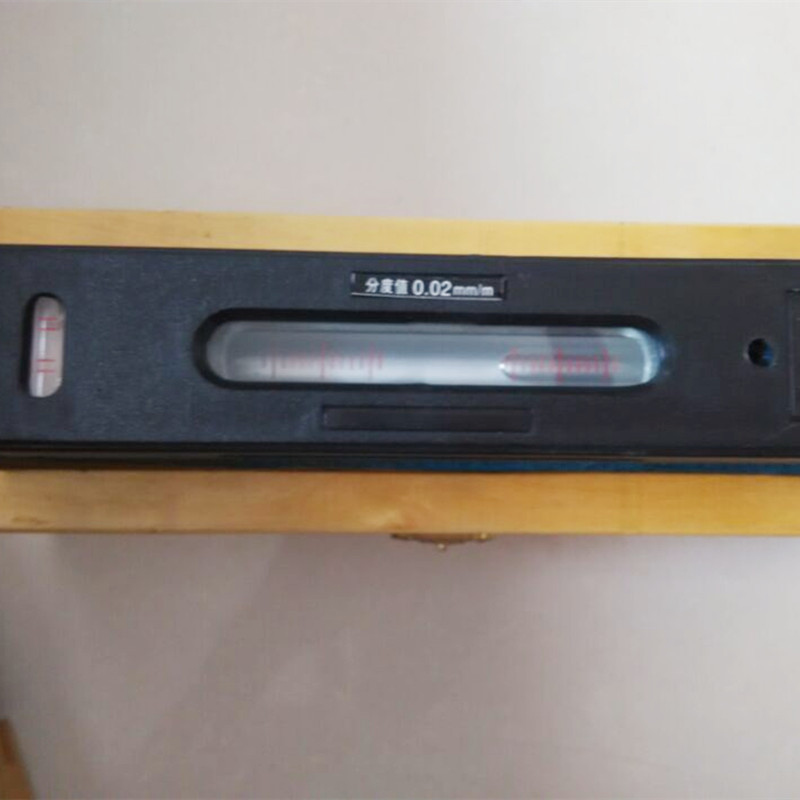
Using a Spirit Level for Accurate Measurements and Leveling Techniques
Understanding Spirit Level Measurements A Guide to Precision in Construction and Crafting In constru
 English